
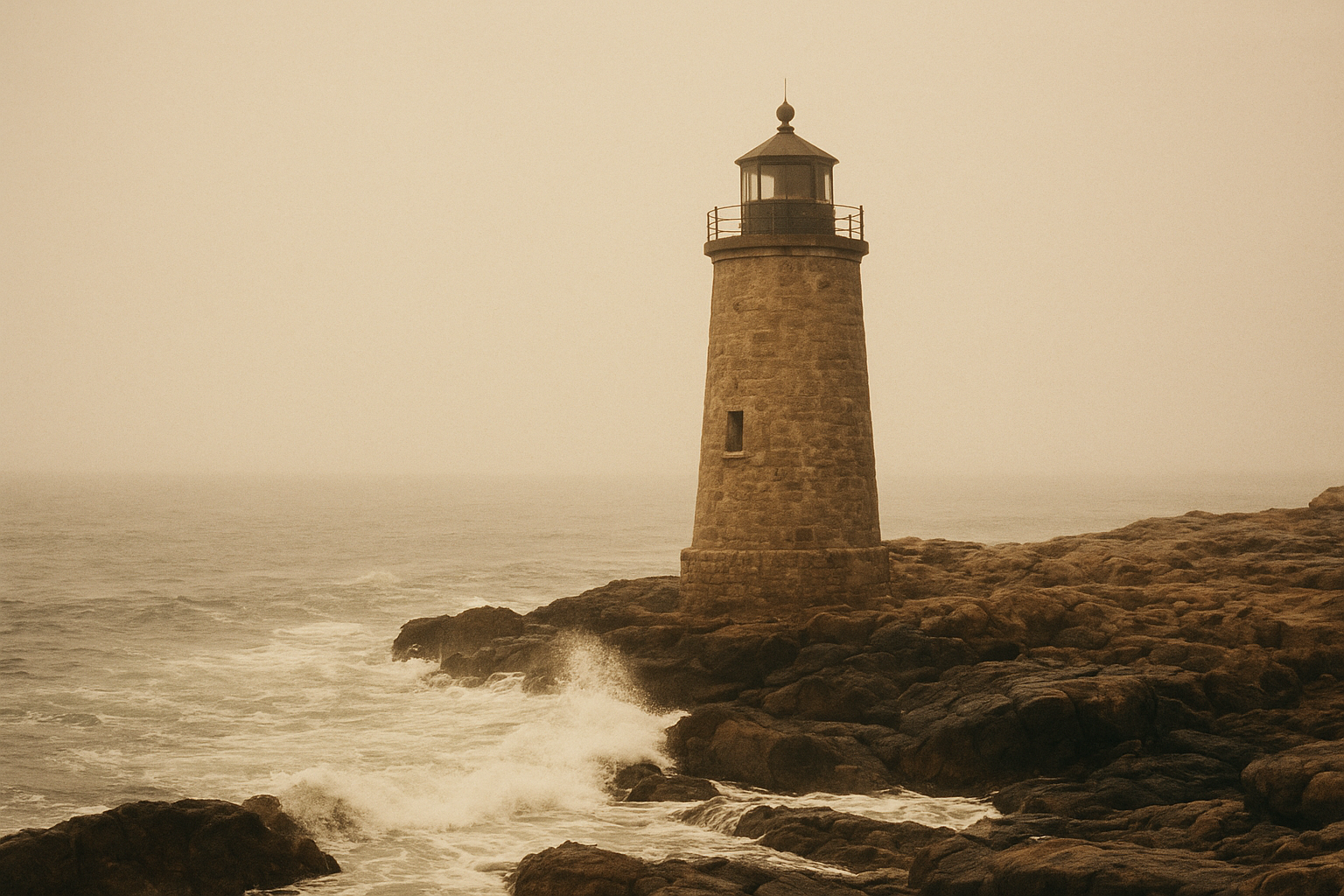
Archival-style photograph of a solitary lighthouse on a rugged northern coastline at soft coastal light

Northern Coast Lighthouses Archive

Lighthouse history along the northern coast, preserved in image and memory.

Explore archive photos, keeper stories, and preserved towers through a curated historical record.

  • Archive Photos
  • Keeper Stories
  • Preserved Towers

Archive introduction

A working record of northern coast lighthouse life.

This archive brings together documentary photographs, keeper narratives, and preserved-tower references so visitors can move between material evidence and lived history. Use the three paths below to read, compare, and trace how each beacon changed over time.

Close documentary detail of a weathered lighthouse keeper's log beside a salt-fogged coastal window and lantern glass
Documentary detail from the collection
  • Archive Photos

    Annotated images of towers, interiors, and shoreline wear across different restoration periods.

  • Keeper Stories

    First-person notes and oral-history excerpts that reveal routines, storms, and isolation at station posts.

  • Preserved Towers

    A practical reference layer connecting surviving structures to dates, materials, and map locations.

Archive reach

Coastal records spanning early beacon eras through present-day preservation notes.

Keeper voices

Firsthand recollections that trace routine, weather, and watchkeeping life at the towers.

Photographic record

Documentary imagery balancing weathered structures, shoreline context, and archival detail.

Preserved landmarks

A curated guide to standing towers and their place in northern maritime heritage.

Historical Sequence

A northern coast lighthouse timeline

Five turning points trace how coastal beacons evolved from early warnings to protected heritage landmarks.

  1. 1810s–1830s · First Coastal Beacons

    Local authorities establish early stone towers and oil lamps to reduce shipwrecks at the most dangerous headlands.

  2. 1840s–1870s · Network Expansion

    A coordinated chain of lights appears along trade routes, creating safer passage between fishing ports and larger harbors.

  3. 1880s–1910s · Keeper Era at Its Peak

    Resident keepers and families maintain clocks, lenses, and weather logs, shaping a daily life now preserved in regional records.

  4. 1920s–1970s · Electrification and Automation

    Electric lamps and remote controls gradually replace manual routines, and many keeper residences are retired from active service.

  5. 1980s–Today · Preservation and Public Memory

    Community trusts, historians, and archives restore surviving towers and interpret them as shared maritime heritage sites.

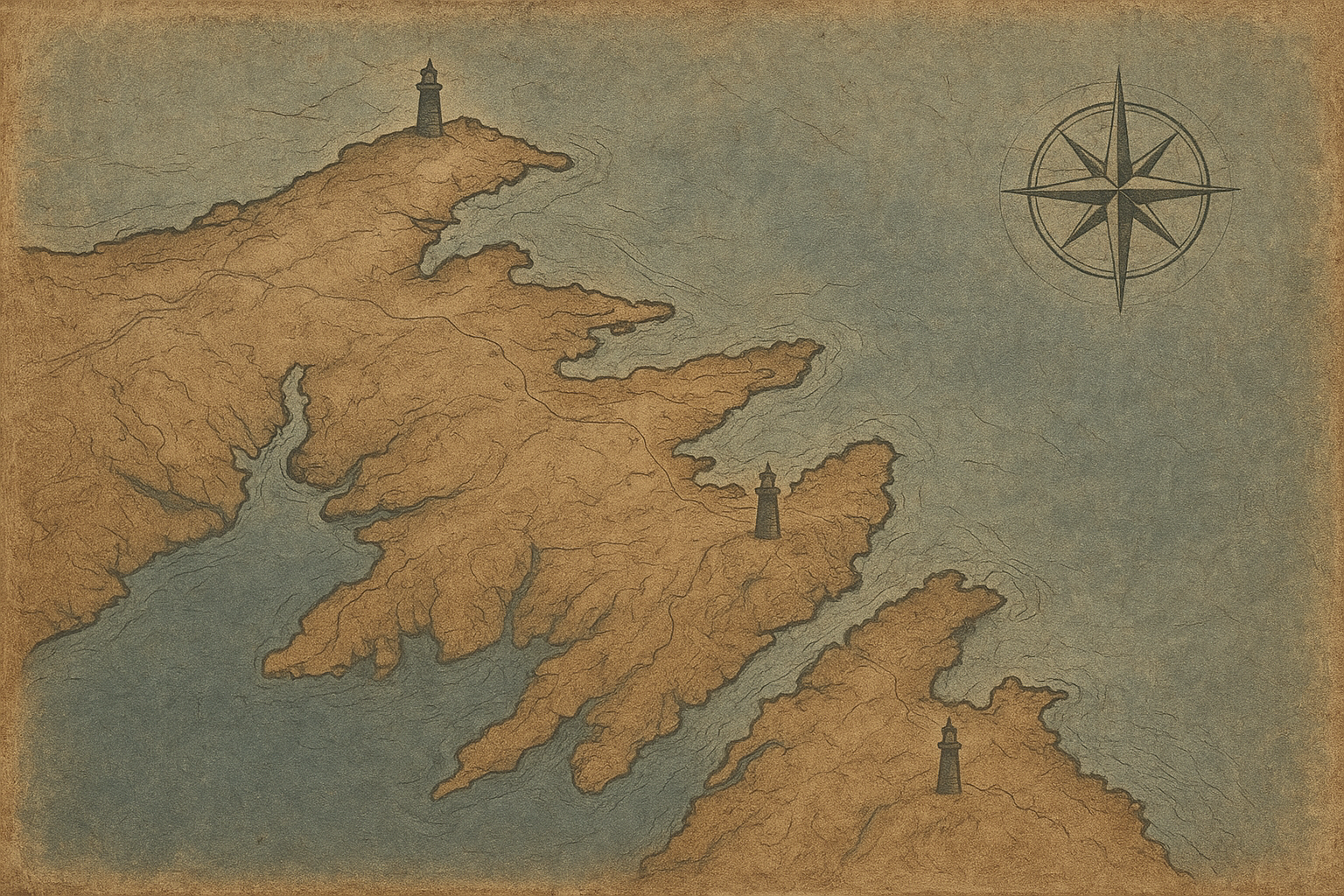
Stylized archival map of a northern coastline with lighthouse markers, route lines, and weathered paper texture
Reference sketch of preserved tower positions along the northern coast.